The Ultimate Pizza Recipe Guide
Pizza is more than just a meal; it’s a culinary tradition that brings people together in joyous celebration. Whether it’s a cozy family night, a festive gathering with friends, or a quick bite on a busy weekday, the allure of a delicious slice of pizza is undeniable. In this comprehensive guide on pizza, we will dive deep into the art and science behind crafting the perfect pie. From selecting quality ingredients to mastering cooking techniques, our mission is to empower you with the knowledge and skills needed to make mouth-watering homemade pizza that caters to all preferencesbe it classic cheese, hearty meat, or vibrant veggie toppings.
Not only will we explore the essentials of preparing pizza, but we’ll also discuss unique variations and how to customize your creations for dietary needs. With a focus on easy-to-follow steps and helpful tips, you’ll discover that everyone can enjoy making pizza at home. Let’s get started on this delicious journey!
Benefits and Advantages of The Ultimate Pizza:
When it comes to pizza, the benefits go far beyond just being a satisfying meal. Here are several compelling reasons to explore pizza-making at home:
- Customization: One of the best aspects of making pizza is the ability to tailor it to your taste preferences. Choose your sauce, cheese, and toppings, or even create unique combinations that reflect your personal culinary style. This flexibility allows you to cater to specific dietary restrictions or health goals, ensuring everyone can enjoy a slice.
- Quality Ingredients: By preparing your pizza from scratch, you can select high-quality ingredients. This not only enhances flavor but also allows you to avoid preservatives and artificial additives that are often found in store-bought pizzas. Imagine using fresh herbs, organic vegetables, or artisan cheeses to elevate your pizza experienceit’s worth the effort!
- Cost-Effective: Making pizza at home can be much more economical than ordering out, especially when feeding a crowd. The ingredients for great pizza are often affordable and can be bought in bulk. Finding creative ways to use leftovers and utilizing pantry staples can help you even further reduce costs.
- Family Bonding: Engaging in pizza-making can be a wonderful bonding experience for families and friends. Gather your loved ones in the kitchen, allow everyone to contribute by choosing toppings, or try a pizza-making contest. This shared activity not only brings joy but also creates lasting memories.
- Culinary Skills Development: Crafting pizza at home presents an excellent opportunity to sharpen your culinary skills. You’ll learn about different dough types, mastering baking techniques, and even experimenting with flavors. Over time, this knowledge can build your confidence in the kitchen and inspire you to explore other exciting recipes.
With these benefits in mind, let’s dive into the essential ingredients that make your pizza shine!
Ingredients Overview
Essential Ingredients for The Ultimate Pizza:
Creating the perfect pizza begins with selecting the right ingredients. Here’s a list of essentials that every pizza maker should have on hand:
- Flour (4 cups, all-purpose or bread flour): The foundation of your pizza dough, flour provides gluten structure, which is crucial for that delightful chewy texture. Bread flour has a higher protein content, leading to a chewier crust, making it a great choice for pizza.
- Water (1 ½ cups, warm): Hydration is vital in dough-making. Warm water aids in activating yeast, which is essential for dough rise. Always ensure your water is around 110°F for optimal yeast activation.
- Active Dry Yeast (2 ¼ teaspoons, or 1 packet): This ingredient helps your dough rise, giving it that airy texture. Always check expiration dates to ensure effectiveness!
- Salt (1 teaspoon): Salt enhances flavor and helps regulate yeast activity. Don’t skip thistoo little can lead to bland dough, while too much can inhibit yeast growth.
- Olive Oil (2 tablespoons): Adding a dash of olive oil enriches dough flavor and improves texture, making it more pliable and easier to shape.
- Tomato Sauce (1 cup): The base for your pizza’s flavor profile, choose a combination of crushed tomatoes, garlic, and herbs for a homemade sauce.
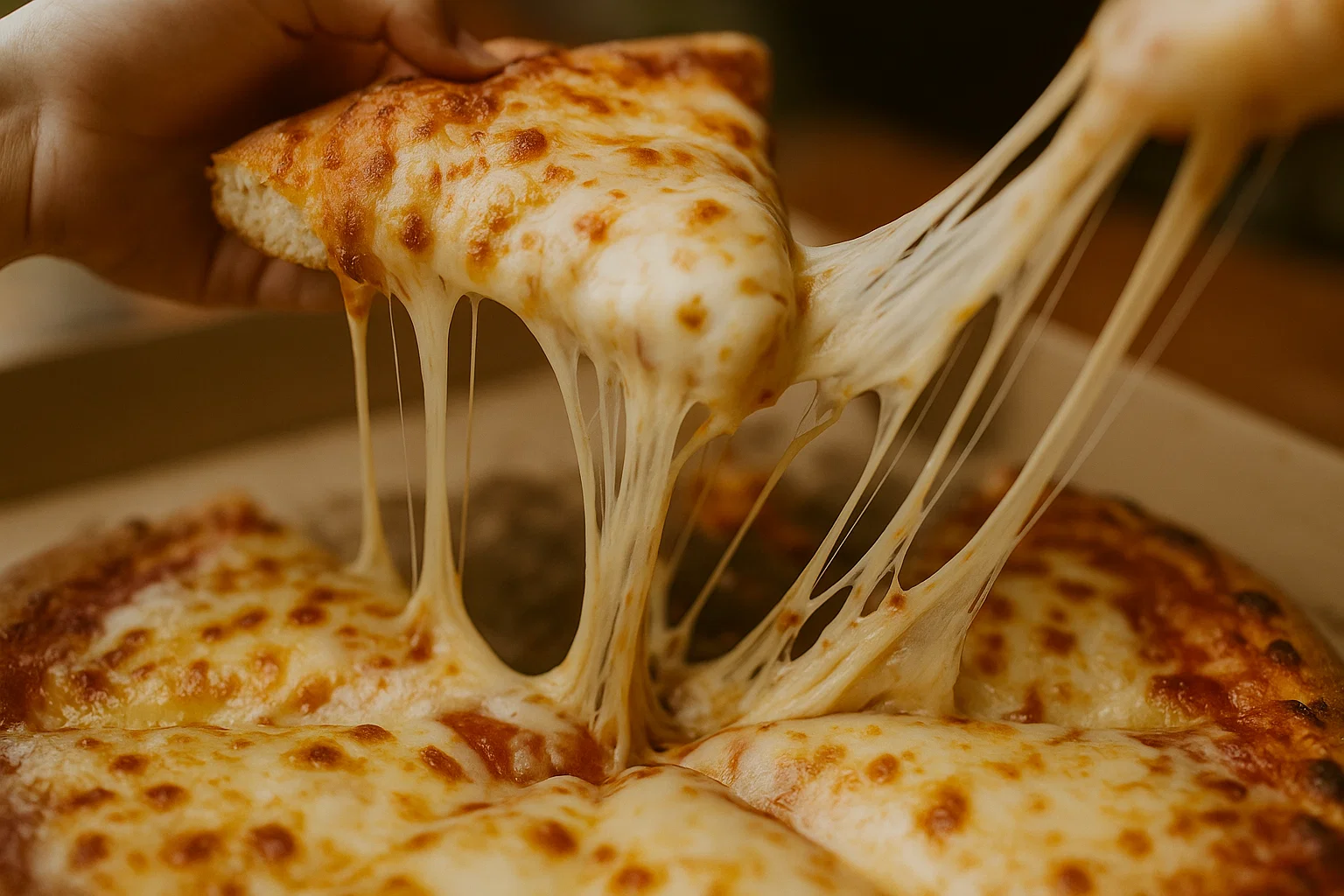
- Cheese (2 cups, shredded mozzarella): Mozzarella is the classic choice due to its meltability and mild flavor. Feel free to blend with other cheeses like parmesan or provolone for depth.
- Toppings (variable): From pepperoni to vegetables, the choices are limitless. Choose what you lovejust keep in mind the moisture levels of your toppings to avoid a soggy pizza.
Dietary Substitutions to Customize Your The Ultimate Pizza:
Pizza is versatile and can easily accommodate various dietary needs. Here are some substitutions to consider:
- Gluten-Free: Substitute traditional flour with a gluten-free pizza flour blend or use almond flour for a low-carb option. There are also pre-made gluten-free crusts available if you’re short on time.
- Dairy-Free/Vegan: Use cashew cheese or vegan mozzarella as a replacement for cheese. Nut-based sauces can also elevate the flavor without dairy, and toppings like artichokes, bell peppers, and mushrooms can enhance your pizza.
- Low-Calorie: Opt for a cauliflower crust or zucchini-based crust. These alternatives reduce calories while still allowing you to enjoy your favorite pizza experience.
- Other Options: For a Whole30-approved pizza, consider using sweet potato slices as a base. The taste might surprise you!
Now that you’re equipped with the essential ingredients and substitutions, let’s walk through how to prepare the perfect pizza.
How to Prepare the Perfect Step-by-Step Guide
Making pizza may seem intimidating, but it can be broken down into manageable steps. Let’s get started!
First Step: Gather Your Ingredients
Make sure you have all the ingredients at room temperature for better mixing and activation of flavor.
Second Step: Prepare the Dough
In a mixing bowl, combine 4 cups of flour with 2 ¼ teaspoons of active dry yeast and 1 teaspoon of salt. Mix well. Add 1 ½ cups of warm water and 2 tablespoons of olive oil. Stir until a shaggy dough forms.
Third Step: Knead the Dough
Transfer the dough to a floured surface and knead for about 10 minutes until smooth and elastic. If the dough is too sticky, sprinkle a bit more flour. Remember, the goal is a soft, pliable texture.
Fourth Step: Let it Rise
Place the kneaded dough in a lightly oiled bowl, cover it with a clean kitchen towel, and let it rise in a warm place for 1-2 hours or until doubled in size.
Fifth Step: Preheat Your Oven
Preheat your oven to 475°F (245°C) at least 30 minutes before baking. If you have a pizza stone, place it in the oven as it preheats to achieve that crispy crust.
Sixth Step: Prepare Your Sauce
While waiting for the dough to rise, prepare your tomato sauce. Use crushed tomatoes mixed with garlic, oregano, and salt. Simmer on low for about 15 minutes for a rich flavor.
Seventh Step: Shape the Dough
After rising, punch down the dough to release air. Divide it into equal portions based on how many pizzas you want. Roll each portion into a ball and let it relax for 10 minutes.
Eighth Step: Stretch the Dough
On a floured surface, press and stretch each ball into a circular shape, about 12 inches in diameter. You can use a rolling pin or shape it by hand, creating a slight ridge around the edge for the crust.
Ninth Step: Top Your Pizza
Transfer your shaped dough onto a floured pizza peel or baking sheet. Spread an even layer of sauce over the dough, leaving a border for the crust. Sprinkle with shredded mozzarella and add your choice of toppings, being careful not to overload.
Tenth Step: Bake Your Pizza
Slide your pizza onto the hot stone or place your baking sheet in the oven. Bake for 10-15 minutes until the crust is golden brown and cheese is bubbling.
Eleventh Step: Cool and Slice
Once baked, remove the pizza from the oven and let it cool for a few minutes before slicing. This will help the cheese set slightly for cleaner cuts.
Twelfth Step: Serve and Enjoy!
Serve your pizza hot, garnished with fresh basil or a drizzle of olive oil. Enjoy with family and friends!
Mastering Advanced Tips and Variations
Now that you’ve mastered the basics, here are some advanced tips to elevate your pizza-making game:
- Experiment with Flours: Try alternative flours like whole wheat, semolina, or even ancient grains such as spelt for an interesting flavor and texture.
- Flavorful Oils: Brush the crust with garlic-infused olive oil or a sprinkle of herb oil before baking to add a lovely aroma and flavor dimension.
- Fermentation: Consider cold-proofing your dough. After kneading, let it rise in the fridge for 24 hours. This slow fermentation enhances the taste and texture significantly.
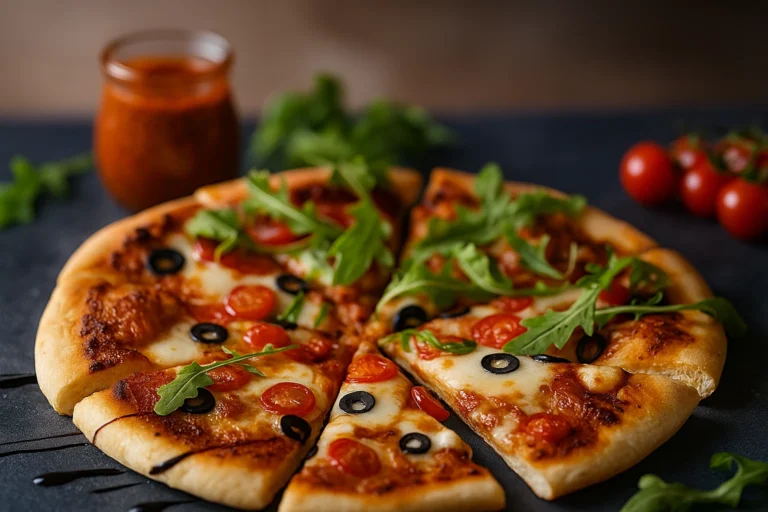
- Unique Toppings: Go beyond classic toppings. Try caramelized onions, goat cheese, arugula, smoked salmon, or even fig jam for unexpected flavor combinations.
- Different Sauces: Experiment with alternative sauces like pesto, white sauce, or BBQ sauce. Each offers a unique twist to your pizza.
By mastering these advanced tips and variations, you’ll turn your homemade pizza into a gourmet experience.
How to Store Best Practices
Pizza is best enjoyed fresh, but if you have leftovers, proper storage ensures you can relish them later. Here are a few steps for effective storage:
- Cool Completely: Allow any leftover pizza to cool completely to avoid condensation, which can lead to sogginess.
- Wrap Tightly: Place pizza slices in an airtight container, or wrap them tightly in aluminum foil or plastic wrap.
- Refrigeration: Store the wrapped or contained pizza in the refrigerator for up to 3-4 days.
- Freezing: For longer storage, wrap slices individually in plastic wrap and place them in a freezer-safe bag. Frozen pizza can last up to 2-3 months.
- Reheating: To reheat, place slices directly on a preheated oven or skillet. This method ensures a crispy crust without sacrificing quality.
Nutritional Value of The Ultimate Pizza
Understanding the nutritional breakdown of your pizza can be important, especially when considering dietary choices. Below is a table detailing the approximate nutritional content of a single slice of homemade pizza topped with cheese and tomato sauce (based on 12 slices from a standard pizza).
| Nutritional Component | Amount per Slice |
|---|---|
| Calories | 285 |
| Total Fat | 10g |
| Saturated Fat | 5g |
| Cholesterol | 20mg |
| Sodium | 660mg |
| Total Carbohydrates | 36g |
| Dietary Fiber | 2g |
| Sugars | 2g |
| Protein | 12g |
This nutritional information varies based on the choice of toppings and the crust thickness. Adjust according to personal health goals.
FAQs: Frequently Asked Questions About The Ultimate Pizza
Q: Can I use instant yeast instead of active dry yeast?
A: Yes, you can substitute instant yeast for active dry yeast. You do not need to activate instant yeast in water; simply mix it directly with the dry ingredients.
Q: What is the best type of cheese for pizza?
A: Mozzarella cheese is the classic choice due to its melt and stretch. However, blending it with provolone, parmesan, or gouda can add complexity to the flavor.
Q: Can I make pizza dough ahead of time?
A: Yes! You can prepare the dough in advance, let it rise, and store it in the fridge for up to 24 hours. For longer storage, consider freezing the dough.
Q: Is pizza healthy?
A: Pizza can be part of a balanced diet when made with fresh ingredients and healthier toppings. Consider whole grain crusts, plenty of vegetables, and lean proteins to optimize nutrition.
Q: How can I make a crispy crust?
A: To achieve a crispy crust, preheat your oven well, use a pizza stone, and avoid loading your pizza with too many toppings that release moisture during baking.
Now that you’re poised to become a pizza master, we hope this guide inspires you to make and share your delicious creations! Enjoy every bite!