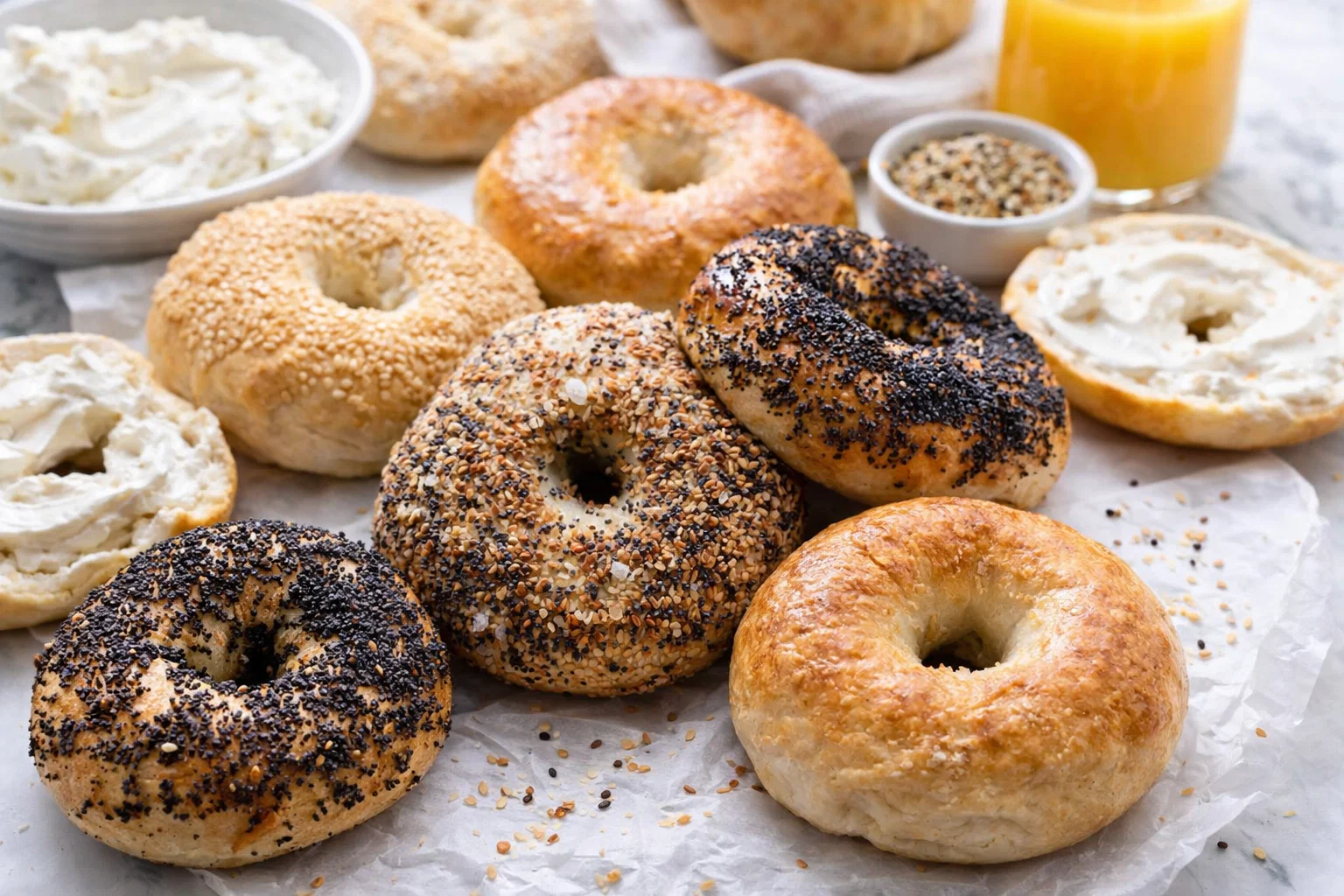
Homemade Bagels Recipe Sallys Baking Addiction
Homemade Bagels Recipe | Sally’s Baking Addiction: A Tropical Delight
Introduction to Homemade Bagels Recipe | Sally’s Baking Addiction
If you’re searching for the ultimate breakfast ideas, look no further than this homemade bagels recipe from Sally’s Baking Addiction. These bagels are not only delicious but also incredibly simple to make, even for novice bakers. The beauty of making bagels at home is that you can customize them to suit your taste and dietary needs. Whether you prefer them topped with cream cheese, smoked salmon, or a vegan spread, these bagels serve as a versatile canvas for any breakfast spread.
This recipe prioritizes health without sacrificing flavor. Using whole grain flour can add extra fiber, while the option to go gluten-free makes it accessible for those with dietary restrictions. Plus, the satisfaction of creating your own bagels at home is unparalleled, making these perfect for busy parents looking to whip up a quick meal or students craving a home-cooked breakfast.
What sets this bagel recipe apart is its adaptability. Whether you’re a health-conscious eater or simply a baking enthusiast, you’ll find value in this doughy delight. They serve well for brunch with friends, breakfast on the go, or as a nutritious snack. Dive into this recipe, and you’ll find not only a delightful addition to your breakfast ideas but also a fun project to undertake solo or with loved ones!
Benefits and Advantages of Homemade Bagels Recipe | Sally’s Baking Addiction
Homemade bagels are a delightful way to kickstart your morning, and this recipe boasts several significant benefits that make it stand out. First off, the simplicity of the preparation allows for a stress-free baking experience. You don’t need any fancy equipment or hard-to-find ingredients—just some basic kitchen staples.
Healthy eating is on everyone’s mind, and homemade bagels can align happily with dietary goals. By crafting your bagels from scratch, you can control the ingredients, minimizing additives, sugars, and unhealthy fats often found in store-bought varieties. Additionally, you can easily substitute traditional flour with whole wheat or gluten-free flour, making them suitable for almost every diet, including vegan and low-calorie options.
Moreover, this bagel recipe is incredibly versatile. The dough serves as a neutral base, enabling endless creativity with toppings and fillings. From classic sesame seeds to innovative flavors like jalapeño cheddar or blueberry, your bagels can reflect your culinary preferences. They are not just limited to breakfast but can also serve well as a lunch option with fillings like avocados and turkey or as a delightful snack throughout the day.
Ultimately, homemade bagels fulfill cravings and nourish your body, making it a well-rounded choice for anyone exploring new breakfast ideas.
Ingredients Overview
Essential Ingredients for Homemade Bagels Recipe | Sally’s Baking Addiction
Here’s an overview of the key ingredients that go into making these delightful homemade bagels:
-
4 cups bread flour (or gluten-free flour for a GF option)
Bread flour gives the bagels their signature chew and texture. -
1 packet (2 ¼ teaspoons) active dry yeast
Essential for leavening the dough and creating those classic bagel bubbles. -
1 tablespoon sugar
This helps feed the yeast, contributing to the fermentation. -
1 ½ teaspoons salt
Balances flavors, making your bagels taste their best. -
1 ½ cups warm water (about 110°F)
Water activates the yeast, facilitating the dough rise. -
Optional: 1 tablespoon malt syrup or barley malt
For extra authenticity and flavor; can be omitted if unavailable. -
Toppings: Sesame seeds, poppy seeds, everything bagel seasoning, etc.
Customize your bagels with your favorite toppings for added flair.
These ingredients combine to create a dough that is not only satisfying to work with but can also cater to various dietary preferences when substitutions are made.
Dietary Substitutions to Customize Your Homemade Bagels Recipe | Sally’s Baking Addiction
To empower every baker, here are suggested substitutions to customize your homemade bagels for different dietary needs:
-
For Gluten-Free Bagels: Use a 1:1 gluten-free flour blend that includes xanthan gum, or make your mix using various gluten-free flours like almond or coconut flour.
-
For Vegan Bagels: Since bagels don’t typically include eggs or dairy, they’re naturally vegan-friendly. Be sure to check any toppings you use to keep them plant-based.
-
Low-Calorie Option: Substitute half the bread flour with whole grain flour for added fiber, or explore reducing the sugar or utilizing a sugar substitute with a suitable ratio.
Overall, these substitutions make it easy for anyone—whether they follow a specific diet or own a unique taste—to enjoy homemade bagels.
How to Prepare the Perfect Homemade Bagels Recipe | Sally’s Baking Addiction: Step-by-Step Guide
Follow these straightforward steps to create perfectly baked homemade bagels:
-
Activate the Yeast: In a small bowl, combine warm water, sugar, and yeast. Stir gently and let it sit for 5-10 minutes until frothy. This shows that the yeast is active and ready to use.
-
Prepare the Dough: In a large bowl, mix the flour and salt. Create a well in the center, then pour in the activated yeast mixture. Stir with a spatula until the dough starts to come together.
-
Knead the Dough: Turn the dough onto a lightly floured surface and knead it for about 8-10 minutes until it’s smooth and elastic. You can also use a stand mixer with a dough hook for this step.
-
First Rise: Lightly oil a large bowl and place the dough inside, covering it with a damp cloth. Let it rise in a warm area for about 1 hour, or until doubled in size.
-
Shape the Bagels: Once risen, punch down the dough and divide it into 8 equal pieces. Roll each piece into a ball, then use your finger to poke a hole through the center. Shape it into a bagel by stretching the hole slightly wider.
-
Second Rise: Place the shaped bagels on a parchment-lined baking sheet. Cover and let them rise for another 20-30 minutes until slightly puffed.
-
Preheat the Oven: Preheat your oven to 425°F (220°C) while your bagels are doing their second rise.
-
Boil the Bagels: Bring a large pot of water to a simmer. Add 1 tablespoon of malt syrup or sugar to the water if desired. Drop bagels in two or three at a time, boiling for about 1 minute on each side. This step helps develop that characteristic crust.
-
Bake the Bagels: Remove the boiled bagels and place them back onto the parchment-lined sheet. Top with your desired toppings. Bake for 20-25 minutes, or until golden brown.
-
Cool and Enjoy: Let your bagels cool on a wire rack for about 10 minutes. Enjoy them fresh, or store for later use!
This step-by-step guide ensures that even novice bakers can achieve perfect homemade bagels for their breakfast ideas.
Mastering Homemade Bagels Recipe | Sally’s Baking Addiction: Advanced Tips and Variations
To elevate your bagel game, consider the following advanced tips and variations:
-
Flavoring the Dough: Add spices or herbs directly into the dough. Things like minced garlic, everything bagel seasoning, or dried herbs can add unique flavors.
-
Creative Toppings: Experiment with toppings beyond traditional seeds. Try shredded cheese, caramelized onions, or even a sprinkle of cinnamon sugar for a sweet treat.
-
Stuffed Bagels: Before the second rise, feel free to stuff your bagels with cream cheese, olives, or deli meats for a savory surprise.
-
Experience with Fermentation: For a more complex flavor, allow the dough to ferment overnight in the fridge. This slow rise enhances the overall taste and texture.
By incorporating these advanced techniques, you can transform these homemade bagels into a gourmet experience. Be bold and explore new flavors as you develop your breakfast ideas.
How to Store Homemade Bagels Recipe | Sally’s Baking Addiction: Best Practices
Preserving the freshness of your homemade bagels is crucial to enjoying them longer. Here are the best methods:
-
At Room Temperature: Store the cooled bagels in a paper bag for a day or two to maintain their texture. To keep them soft, avoid plastic bags which may create steam.
-
Refrigeration: If you’re not consuming them within a couple of days, you can refrigerate the bagels, although this may alter their texture. They can last up to a week in the fridge.
-
Freezing: For longer storage, bagels freeze beautifully. Place them in a freezer-safe bag and store for up to three months. When ready to use, simply toast or warm them straight from the freezer.
Taking these steps will help you effectively store your bagels, ensuring you have tasty breakfast ideas ready to go whenever you crave them.
Nutritional Value of Homemade Bagels Recipe | Sally’s Baking Addiction
Understanding the nutritional value of your homemade bagels helps maintain a balanced diet. Here’s an approximate breakdown per bagel (based on traditional bread flour preparation):
- Calories: 250
- Total Fat: 1g
- Saturated Fat: 0g
- Cholesterol: 0mg
- Sodium: 300mg
- Total Carbohydrates: 50g
- Dietary Fiber: 2g
- Sugars: 1g
- Protein: 9g
Adjusting the recipe, such as substituting with whole grain flour, can increase the fiber content and provide greater nutritional benefits. It’s worth exploring these adjustments, especially when considering your breakfast ideas for the week.
FAQs: Frequently Asked Questions About Homemade Bagels Recipe | Sally’s Baking Addiction
1. Can I make bagels without yeast?
While traditional bagels require yeast for a chewy texture, you can explore no-yeast varieties using baking powder. However, they will differ in consistency and flavor.
2. How do I make bagels taste more flavorful?
Incorporate spices and herbs into the dough or use unique toppings to enhance the bagels’ flavor profile beyond salt and seeds.
3. Can I use regular flour instead of bread flour?
Yes, but using bread flour is recommended for its higher protein content, which is crucial for achieving a bagel’s chewy texture.
4. How can I ensure my bagels are boiled properly?
A rolling boil is essential. Make sure the water is at a rapid boil before adding bagels. Boiling them for a minute on each side creates a beautiful crust.
5. What is the best way to reheat frozen bagels?
For the best texture, thaw your bagels in the fridge overnight, then toast or bake them at 350°F until warmed through.
By addressing these common inquiries, we ensure that both seasoned bakers and newcomers feel comfortable making homemade bagels, enhancing their breakfast ideas repertoire.