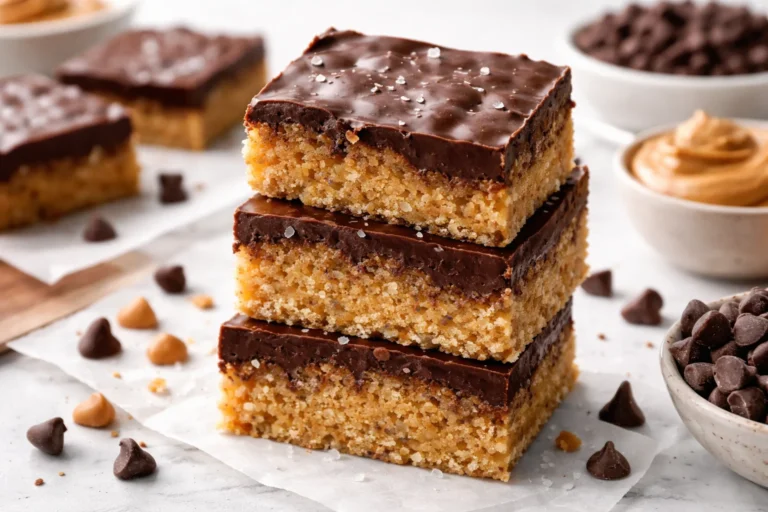

Easter Peanut Butter Eggs Like Reeses – Sallys Baking Addiction
Easter Peanut Butter Eggs (Like Reese’s) – Sally’s Baking Addiction: A Tropical Delight
Introduction to Easter Peanut Butter Eggs (Like Reese’s) – Sally’s Baking Addiction
One of the joys of the Easter season is indulging in sweet treats, and homemade desserts have a special charm that store-bought options simply can’t replicate. Enter the Easter Peanut Butter Eggs, a delightful recipe that takes inspiration from the classic Reese’s Peanut Butter Cups. These eggs are not only delicious but also simple to make, making them perfect for home cooks of all skill levels.
What makes this recipe stand out among various dessert recipes is its versatility and health-conscious approach. With easily adaptable ingredients, these peanut butter eggs can satisfy a range of dietary needs, including vegan, gluten-free, and low-calorie options. They pack a nutritious punch with wholesome ingredients, providing an alternative to traditional Easter candies that are often laden with artificial additives. Additionally, these homemade treats provide a fun and engaging activity for families, allowing parents and children to bond while baking.
Whether you’re a busy parent, a student looking for quick but impressive dessert recipes, or someone who enjoys a sweet treat without the guilt, this recipe is sure to become a family favorite. By preparing your own Easter Peanut Butter Eggs, you’ll enjoy not only a delicious, sweet experience but also the satisfaction that comes with creating something delicious from scratch.
Benefits and Advantages of Easter Peanut Butter Eggs (Like Reese’s) – Sally’s Baking Addiction
When it comes to homemade food, the benefits are abundant. The Easter Peanut Butter Eggs recipe shines for several reasons, making it a standout choice among dessert recipes. Firstly, the simplicity of the preparation process is a significant advantage. Most of the ingredients are pantry staples like peanut butter and powdered sugar, and the steps are uncomplicated, which means even novice bakers can master this recipe with ease.
Moreover, the health benefits associated with these peanut butter eggs cannot be ignored. They are packed with protein from natural peanut butter, offering a more nutritious option compared to store-bought candies. By using simple, whole ingredients, you can avoid the added sugars and unhealthy fats common in many commercially produced sweets. You can also customize the sugar used in the recipe, opting for healthier alternatives such as coconut sugar or stevia to reduce the calorie count without sacrificing taste.
In addition, this recipe is incredibly adaptable. For those following a vegan diet, simply substitute traditional chocolate with vegan chocolate chips, and you’re left with a treat that adheres to your dietary preferences. Those who require gluten-free options will find that using gluten-free powdered sugar ensures everyone can join in the indulgence.
Ultimately, this recipe stands out due to its balance of simplicity, flavor, and practicality, making it an ideal selection for anyone looking for delightful dessert recipes that cater to various tastes and dietary needs.
Ingredients Overview
Essential Ingredients for Easter Peanut Butter Eggs (Like Reese’s) – Sally’s Baking Addiction
Here is a detailed list of the essential ingredients needed to make your Easter Peanut Butter Eggs, alongside their purpose:
- Natural Peanut Butter (1 cup) – The base flavor that lends creaminess and protein.
- Powdered Sugar (1 ½ cups) – Provides sweetness and helps bind the filling.
- Unsalted Butter (1/4 cup, softened) – Adds richness; can be substituted with vegan butter for dairy-free options.
- Vanilla Extract (1 teaspoon) – Enhances the flavor profile; consider using pure vanilla extract for a more robust taste.
- Salt (1/4 teaspoon) – Balances sweetness; a pinch adds flavor depth.
For the chocolate coating:
6. Chocolate Chips (Milk or Dark) (2 cups) – Choose between milk and dark based on preference; vegan chocolate chips can be used for a vegan-friendly version.
Dietary Substitutions to Customize Your Easter Peanut Butter Eggs (Like Reese’s) – Sally’s Baking Addiction
Vegan Option:
- Substitute unsalted butter with coconut oil or vegan butter to create a completely dairy-free treat.
Gluten-Free Option:
- Ensure that your powdered sugar is labeled gluten-free; usually, it is, but it’s best to double-check.
Low-Calorie Option:
- Replace powdered sugar with erythritol or coconut sugar for a lower-calorie alternative while maintaining sweetness.
Nut-Free Version:
- Substitute peanut butter with sunflower seed butter or almond butter (if nuts are tolerated) for a nut-free but still delicious alternative.
By utilizing these simple substitutions, you can tailor the Easter Peanut Butter Eggs recipe to suit different dietary needs, making it a versatile addition to your collection of dessert recipes.
How to Prepare the Perfect Easter Peanut Butter Eggs (Like Reese’s) – Sally’s Baking Addiction: Step-by-Step Guide
Creating your own Easter Peanut Butter Eggs is a fun and rewarding experience, and each step is designed to be straightforward. Let’s dive into the step-by-step instructions to ensure you create the perfect treat that everyone will love. This section emphasizes the versatility of the recipe and how it can be accommodated for varying dietary preferences.
-
Prepare the Filling: In a large bowl, blend the peanut butter, softened butter, vanilla extract, and salt until smooth. Use a spatula or an electric mixer to achieve an even consistency.
-
Combine with Sugar: Gradually add the powdered sugar to the peanut butter mixture. Mix well until fully integrated. This mixture should be thick and workable; if it’s too sticky, add a little more powdered sugar.
-
Shape the Eggs: Dust your hands with a little powdered sugar to prevent sticking. Take a heaping tablespoon of the filling and mold it into an egg shape. You can make them as big or small as you desire. Place the formed eggs on a wax paper-lined baking sheet.
-
Refrigerate: Chill the shaped eggs in the refrigerator for about 30 minutes. This helps them firm up, making them easier to coat in chocolate.
-
Prepare the Chocolate Coating: While the filling is chilling, melt the chocolate chips in a microwave-safe bowl in 30-second increments, stirring in between, until smooth. For a smoother finish, you can add a teaspoon of coconut oil to the chocolate.
-
Coat the Eggs: Once the filling is chilled, remove the eggs from the refrigerator. Dip each peanut butter egg into the melted chocolate, using a fork to lift it out and allow excess chocolate to drip off.
-
Set the Coated Eggs: Re-arrange the coated eggs back to the wax paper-lined baking sheet. Ensure they aren’t touching one another.
-
Chill Again: Place the tray in the fridge for 15 minutes to allow the chocolate coating to set firm.
-
Serve and Enjoy: Once set, your Easter Peanut Butter Eggs are ready to enjoy! These homemade treats are perfect for sharing, gifting, or savoring with family during the holiday.
Feel free to experiment with filling flavors or types of chocolate; that’s what makes this recipe so appealing among various dessert recipes.
Mastering Easter Peanut Butter Eggs (Like Reese’s) – Sally’s Baking Addiction: Advanced Tips and Variations
While the basic recipe is outstanding on its own, consider these advanced tips and variations to elevate your Easter Peanut Butter Eggs:
-
Flavored Fillings: Add a dash of cocoa powder to the filling for a rich chocolate peanut butter flavor. Alternatively, try mixing in crushed graham crackers for a s’mores twist.
-
Decorative Toppings: After coating, sprinkle a pinch of sea salt or crushed nuts on the wet chocolate for added texture and visual appeal.
-
Chocolate Variations: Experiment with different types of chocolate for the coating. You might enjoy white chocolate for a change or even colorful candy melts for festive decoration.
-
Molds: Consider using egg-shaped silicone molds to create uniform and aesthetically pleasing shapes. This method can save time and provide a special touch.
By incorporating these creative ideas, you can make your Easter Peanut Butter Eggs unique, ensuring that they are a delightful addition to your holiday festivities. Such variations showcase the versatility of this quintessential dessert recipe.
How to Store Easter Peanut Butter Eggs (Like Reese’s) – Sally’s Baking Addiction: Best Practices
Proper storage is essential to keep your Easter Peanut Butter Eggs fresh and delicious. Here are some best practices for storing these homemade treats:
-
Refrigeration: Store any leftover eggs in an airtight container in the refrigerator. They will maintain their freshness and flavor for up to two weeks.
-
Freezing: If you want to make them in advance or have leftovers that you won’t eat soon, these eggs freeze well. Place them in a single layer in a freezer-safe container, separating layers with parchment paper to avoid sticking. They can be kept frozen for up to three months.
-
Thawing: When ready to enjoy, simply remove the desired amount from the freezer and allow them to thaw in the refrigerator for a few hours or at room temperature for about 30 minutes.
By following these storage tips, your Easter Peanut Butter Eggs will be ready to enjoy at any time, solidifying their role as a favorite among dessert recipes.
Nutritional Value of Easter Peanut Butter Eggs (Like Reese’s) – Sally’s Baking Addiction
Understanding the nutritional value of your treats is crucial, especially for those concerned about diet and health. Here’s a breakdown of the nutritional information per serving (based on one peanut butter egg):
- Calories: 150
- Total Fat: 9g
- Saturated Fat: 3g
- Cholesterol: 5mg
- Sodium: 30mg
- Total Carbohydrates: 16g
- Dietary Fiber: 1g
- Sugars: 8g
- Protein: 4g
This breakdown varies slightly based on substitutions, such as using sugar alternatives or different types of chocolate. For those keeping track of their intake, this makes these treats a more health-conscious selection among the various dessert recipes available.
FAQs: Frequently Asked Questions About Easter Peanut Butter Eggs (Like Reese’s) – Sally’s Baking Addiction
Can I use crunchy peanut butter for this recipe?
Absolutely! Crunchy peanut butter will add texture and authentic peanut flavor to your eggs.
How can I make these eggs healthier?
To make the Easter Peanut Butter Eggs healthier, use natural peanut butter free of added sugars and oils, and consider using a sugar alternative like stevia or erythritol.
Can I make these nut-free?
Yes, definitely! Substitute peanut butter with sunflower seed butter or any other nut-free alternative.
How long does it take to make these eggs?
From start to finish, including chilling time, you should allow about 1.5 to 2 hours to make these Peanut Butter Eggs.
Can I make these eggs in advance?
Yes! You can make these eggs ahead of time. They store well in the refrigerator for up to two weeks or can be frozen for up to three months.
Creating these delightful Easter Peanut Butter Eggs can become a cherished tradition, combining simplicity and deliciousness that appeals to a wide audience. This recipe stands out not just as a sweet treat but as a versatile option among countless dessert recipes, inviting everyone to join in the festivity of Easter. Bring the sweetness of homemade creations to your holiday gatherings, satisfying both the sweet tooth and dietary preferences of everyone at your table. Happy baking!