Client Drops “Take It Or Leave It” On Baker After Offering $50 For A Wedding Cake, They Leave nel 2025the easietand simple birthday cake
When it comes to creating the perfect birthday cake, the delicate balance between beauty, taste, and value often leads to interestingand sometimes dramaticencounters in the world of baking. One such encounter emerged in the form of a client dropping a “take it or leave it” offer on a baker, leaving many to ponder the expectations surrounding custom cakes. The $50 quote for a wedding cake sparked a discussion about the artistry and effort behind these incredible desserts. This article covers different aspects of crafting the ideal birthday cakewhether you’re planning a celebration for yourself, a friend, or a loved one.
As the centerpiece of many celebrations, the birthday cake is more than just a sweet treat; it carries the weight of making memories that resonate with everyone involved. So join us as we explore the ins and outs of birthday cake creation, from essential ingredients to perfecting the technique, ensuring you’re not only creating something delicious but also meaningful.
Benefits and Advantages:
One of the most advantageous aspects of baking a birthday cake lies in the personal touch it brings to any celebration. Unlike store-bought options, a homemade cake showcases your effort, creativity, and understanding of the preferences of the person you’re celebrating.
Creating a birthday cake affords several benefits:
- Customization: With the ability to tailor flavors, frostings, and decorations, your cake can become a true reflection of the recipient’s personality and preferences. Imagine infusing their favorite flavors and colors into each layerit’s this attention to detail that makes your creation special.
- Quality Ingredients: By making the cake yourself, you control the content and quality of the ingredients. Say goodbye to artificial preservatives and excess sugars typically found in commercial cakes. Instead, opt for wholesome ingredients and perhaps experiment with healthier substitutes.
- Cost-Effectiveness: While some custom cakes can run exorbitantly high, making your own cake can significantly cut costs. After all, a well-executed birthday cake does not have to break the bank. Investing your time and love into a homemade cake means you can allocate funds toward other elements of your celebration.
- Skill-Building: Baking a cake allows you to improve your culinary skills. Plus, with each attempt, you’ll gain confidence in your technique. It’s educational, rewarding, and honestly… fun!
- Emotional Resonance: The act of making a cake for someone can deepen your relationship with them. The warmth of sharing your creation often fosters connections that go beyond just filling a stomach; it fills hearts with love and appreciation.
Ultimately, creating a birthday cake allows you to imbue a simple dessert with meaning, transforming an ordinary gathering into a cherished memory. Let’s dive deeper into how you can harness these benefits, starting with the ingredients needed for this delicious creation.
Ingredients Overview
Essential Ingredients for the birthday cake:
To create an exceptional birthday cake, you’ll need the following essential ingredients:
- All-Purpose Flour (2 ½ cups): The base of any cake, this versatile flour provides structure and texture, absorbing moisture while supporting the cake’s rise.
- Granulated Sugar (2 cups): Sweetness is crucial in balancing flavors. Sugar also aids in the cake’s texture, giving it a tender crumb.
- Unsalted Butter (1 cup, softened): Butter not only enriches the flavor but also helps achieve a light and fluffy cake. Make sure it’s at room temperature for optimal creaming.
- Eggs (4 large): Eggs are critical for binding ingredients, adding moisture, and providing stability. They also help achieve a richer flavor.
- Milk (1 cup): The liquid component your cake needs for moisture. Full-fat milk will yield the richest results, though lower-fat options work too.
- Baking Powder (2 teaspoons): This leavening agent allows the cake to rise, giving it the desired fluffiness.
- Vanilla Extract (2 teaspoons): This essence enhances flavor, making the cake taste a whole lot more indulgent.
- Salt (½ teaspoon): Salt balances sweetness while enhancing the overall flavor profile, making every bite more delicious.
Dietary Substitutions to Customize Your the birthday cake:
Baking can and should accommodate everyone’s dietary needs. Here are some practical substitutes for your birthday cake recipe:
- Gluten-Free: Substitute all-purpose flour with a gluten-free blend. Ensure the blend includes xanthan gum for added structure.
- Dairy-Free: Replace milk with almond milk, coconut milk, or any plant-based milk of choice. Use vegan butter or coconut oil in place of unsalted butter.
- Egg-Free: Replace each egg with ¼ cup of unsweetened applesauce or a flax egg (1 tablespoon ground flaxseed mixed with 3 tablespoons water) to bind the cake.
- Lower Sugar: You can reduce granulated sugar by up to 25% without drastically affecting the cake’s texture. For a zero-calorie substitute, consider stevia or monk fruit sweetener.
Each substitution offers a way to personalize your birthday cake, making it accessible to all guests while still delighting everyone’s taste buds.
How to Prepare the Perfect the birthday cake: Step-by-Step Guide:
Creating the perfect birthday cake is a labor of love, but with these straightforward steps, the journey will be rewarding!
First Step: Preheat the Oven
Start by preheating your oven to 350°F (175°C). This ensures an even bake.
Second Step: Prepare Your Cake Pans
Grease and flour two 9-inch round cake pans. This prevents sticking and allows for easy removal once baked.
Third Step: Sift Dry Ingredients
In a large bowl, sift together the all-purpose flour, baking powder, and salt. This process aerates the flour and ensures even distribution of the baking powder.
Fourth Step: Cream the Butter and Sugar
In a separate bowl, beat the softened butter and granulated sugar together until light and fluffy. This step is critical for incorporating air, leading to a light cake texture.
Fifth Step: Add Eggs and Vanilla
Add eggs, one at a time, beating well after each addition. Then mix in the vanilla extract thoroughly until fully integrated.
Sixth Step: Combine Wet and Dry Ingredients
Gradually add the flour mixture and milk, alternating between the two (starting and finishing with the flour). Mix on low speed until just combined; avoid over-mixing to keep your cake tender.
Seventh Step: Pour Batter into Pans
Divide the batter evenly between the two prepared pans. You can smooth the tops for even baking.
Eighth Step: Bake the Cake
Place the pans in the preheated oven and bake for 25-30 minutes or until a toothpick inserted into the center comes out clean.
Ninth Step: Cool
Once baked, let the cakes cool in the pans for 10 minutes, then turn them out onto a wire rack to cool completely before frosting.
Tenth Step: Frost Your Cake
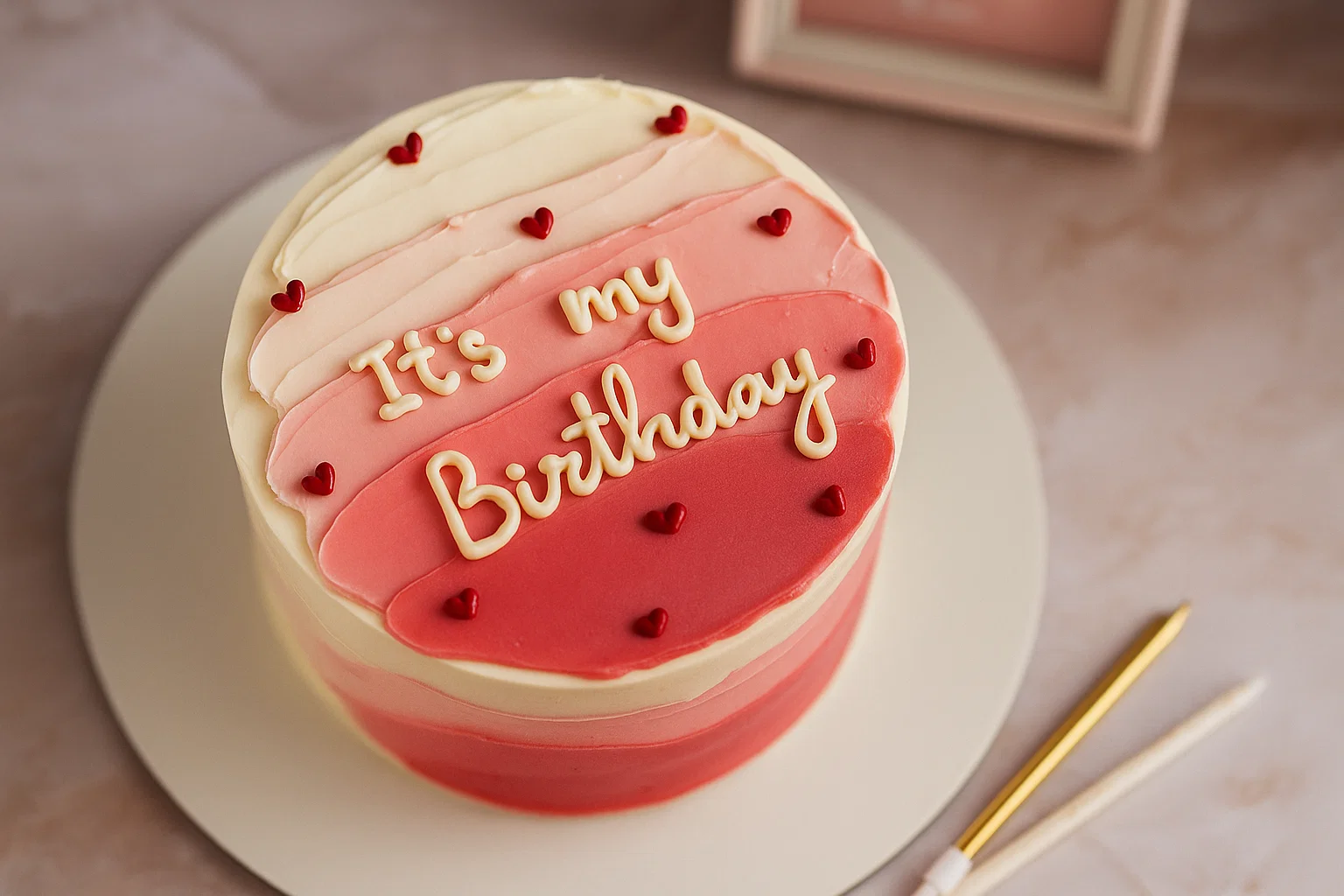
Once cool, it’s time to frost! Use your favorite frostingwhether it’s classic buttercream or a rich cream cheese frosting. Apply a base layer first (crumb coat) to seal in any crumbs, then finish with a generous layer of frosting on top.
Eleventh Step: Decorate
Let your creativity shine! Decorate your cake with sprinkles, fresh fruit, or edible flowers to transform your birthday cake into a stunning centerpiece.
Twelfth Step: Slice and Serve
Finally, slice up your masterpiece and serve it to friends and family while sharing the joy you’ve baked into every bite!
From this straightforward guide, you now hold the keys to prepare a delightful birthday cake that uplifts any celebration.
Mastering the birthday cake: Advanced Tips and Variations:
While we’ve covered the basics, mastering cake baking involves continual experimentation. Here are a few advanced tips to elevate your birthday cake:
- Flavor Infusions: Enhance your cake with flavor by adding citrus zest (like lemon or orange) to the batter. You might also consider substituting part of the liquid with fruit puree for natural sweetness.
- Layering Techniques: Experiment with layering your cake with different fillingsberries, custard, or flavored creams can add delightful textures and tastes.
- Alternatives to Frosting: For a fresh twist, consider whipped cream or a light ganache made with chocolate and cream instead of traditional frosting.
- Fine-Tuning Baking Times: Ovens can vary! Always keep an eye on your cake as it approaches the suggested baking time. If you find one layer cooked faster than the other, rotate the pans for even results.
These variations not only keep things interesting but also allow you to put your own spin on the traditional birthday cake.
How to Store the birthday cake: Best Practices:
Storing your birthday cake properly ensures it stays fresh and enjoyable for as long as possible. Here’s how to do it:
- At Room Temperature: If you’ll consume the cake within a couple of days, store it in an airtight container at room temperature. Avoid refrigerating it as this can dry out the cake.
- Refrigerating: For longer storage, cover the cake with plastic wrap and place it in the refrigerator. Consume within four to five days.
- Freezing for Later: If you want to extend the life of your cake, freeze it. Slice the cake into individual portions. Wrap them tightly in cling film and then in aluminum foil, or use a freezer-safe container. It can last up to three months.
- Thawing: When ready to enjoy, remove from the freezer and thaw in the refrigerator overnight. Bring to room temperature before serving for best results.
These storage practices will keep your cake fresh and delicious, ready to surprise and delight!
Nutritional Value of the birthday cake:
Understanding the nutritional value of your birthday cake is crucial whether you’re health-conscious or simply curious. Below is a breakdown of approximate nutritional information per slice (1/12 of the cake):
| Nutritional Component | Amount |
|---|---|
| Calories | 350 |
| Total Fat | 15g |
| Saturated Fat | 9g |
| Cholesterol | 50mg |
| Sodium | 150mg |
| Total Carbohydrates | 50g |
| Dietary Fiber | 1g |
| Sugars | 30g |
| Protein | 4g |
Keep in mind that these values can vary based on your chosen ingredients and portion sizes. Adjust recipes as necessary to align with your dietary goals!
FAQs: Frequently Asked Questions About the birthday cake:
- How can I achieve a moist cake?
Moisture is critical! Ensure you don’t over-mix your batter and avoid dry ingredients. Incorporating a liquid ingredient, like sour cream or yogurt, can add moisture and richness as well. - Can I make the cake ahead of time?
Absolutely! You can bake and frost your cake up to 24 hours in advance. Keep it in a cool, dry place covered with plastic wrap. - What’s the best way to remove cakes from pans?
Proper greasing of the pans is essential. After baking, let them cool for a few minutes before gently running a knife around the edges and turning them out. - Can I use other flours?
Yes! Alternatives like almond flour or coconut flour can bring unique flavors and textures, though adjustments in liquid ratios may be necessary. - How should I decorate my cake?
Your options are truly endless! From fondant to buttercream and fruit garnishes, choose what resonates most with you or the birthday person!
Armed with these tips, you’ll be well on your way to mastering the art of creating stunning birthday cakes that bring joy to every celebration. Whether you’re baking for a special occasion or just because, the skills you develop along the way will add to your culinary repertoire and delight everyone who gets to savor your creations!