Beginners Guide to French Macarons Sallys Baking Addiction
Beginner’s Guide to French Macarons | Sally’s Baking Addiction: A Tropical Delight
Introduction to Beginner’s Guide to French Macarons | Sally’s Baking Addiction
Welcome, baking aficionados! If you’re on the lookout for delightful dessert recipes that will impress friends and family, you’ve landed in the right place. The French macaron is not only a classic in the world of confectionery but also a treat that embodies simplicity, elegance, and a burst of flavors. This beginner’s guide will provide you with the know-how to create these delightful treats at home, bringing a taste of Paris to your kitchen.
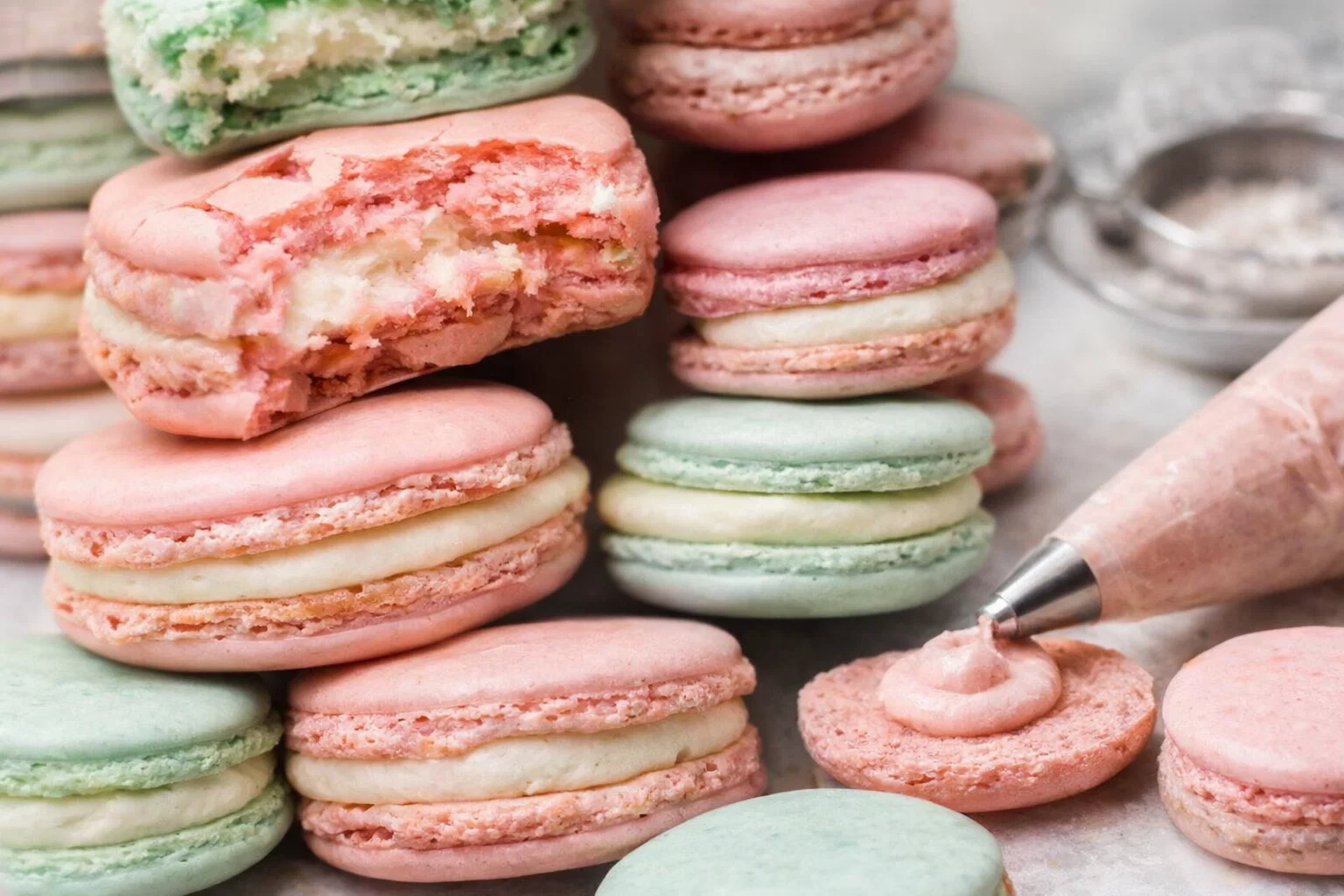
French macarons are famous for their delicate, crisp exteriors and chewy interiors. The best part? They can be tailored to meet various dietary preferences, including vegan, gluten-free, and low-calorie options. These light meringue-based cookies filled with ganache, buttercream, or jam make them an ideal choice for anyone looking to indulge without compromising their health goals. With the right techniques and ingredients, you can master these intricately colored pastries and create a variety that suits your personal style. So grab your apron, and prepare to take on this exciting baking adventure with our Beginner’s Guide to French Macarons!
Benefits and Advantages of Beginner’s Guide to French Macarons | Sally’s Baking Addiction
Before we dive into the recipe, let’s explore why making French macarons at home is an excellent choice for all bakers, especially those who may feel intimidated by this iconic French pastry.
Ease of Preparation
While French macarons might seem daunting, they actually require only a handful of ingredients and straightforward techniques. With just egg whites, almond flour, powdered sugar, and granulated sugar, you can create these delightful treats. Once you become familiar with the process, you’ll realize that you can produce batches faster than you think. The step-by-step approach provided in this guide will make the task manageable and fun!
Health Benefits
These little delights offer numerous health benefits. For starters, almond flour is rich in protein, healthy fats, and vitamin E, making macarons a more health-conscious dessert choice. When you make them at home, you control the sugar content and can even experiment with natural sweeteners. For those on special diets, vegan and gluten-free versions are an option, so you can still enjoy these cookies without compromising your dietary preferences.
Versatility
One of the most compelling aspects of macarons is their versatility. You can experiment with various flavors, colors, and fillings. Whether you’re in the mood for classic vanilla or adventurous flavors like raspberry lychee or matcha green tea, the opportunities for creativity are endless. As dessert recipes go, macarons allow you to express your culinary personality vividly!
Perfect for Any Occasion
Whether you are planning a birthday party, wedding, or festive holiday gathering, these colorful and delectable macarons serve as stunning centerpieces. They are manageable enough for a casual afternoon treat or sophisticated enough for an upscale event.
Conclusion
With these fantastic attributes in mind, diving into the world of French macarons becomes an exciting culinary journey. Once you’ve made your first batch, you’ll likely become hooked, eager to explore each new flavor possibility. Let’s start baking!
Ingredients Overview
Essential Ingredients for Beginner’s Guide to French Macarons | Sally’s Baking Addiction
To create your perfect batch of French macarons, you will need the following essential ingredients:
- Almond Flour (1 cup): Provides the main structure and flavor with a nutty richness.
- Powdered Sugar (1 ¾ cups): Adds sweetness and aids in creating that smooth shell texture.
- Egg Whites (3 large): These provide the necessary lift and structure for the meringue.
- Granulated Sugar (¼ cup): Helps stabilize the egg whites during whipping.
- Food Coloring (optional): Customize your macarons to match any occasion or flavor.
- Filling of Choice (such as buttercream, ganache, or fruit preserves): This is where you can get creative!
Special Dietary Options
- Vegan Option: Replace egg whites with aquafaba (the liquid from drained chickpeas). Use a powdered sugar alternative, like coconut sugar, for sweetness.
- Gluten-Free Option: Almond flour is naturally gluten-free, making it an ideal choice for those with gluten sensitivities.
- Low-Calorie Option: Reduce the quantity of granulated sugar or use natural sweeteners like stevia or erythritol.
Dietary Substitutions to Customize Your Beginner’s Guide to French Macarons | Sally’s Baking Addiction
For those with specific dietary needs, here are some helpful substitutions:
- Nut-Free Version: Replace almond flour with sunflower seed flour or oat flour for a similar texture while being nut-free.
- Flavor Variants: Experiment with flavored extracts like peppermint, orange, or even espresso to change up the taste without changing the basic structure.
- Coloring Agents: For naturally dyed colors, consider spirulina powder for green, beet juice for red, and turmeric for yellow.
By tailoring these ingredients to fit your dietary needs, you can create French macarons that not only taste delicious but also align with your lifestyle and preferences.
How to Prepare the Perfect Beginner’s Guide to French Macarons | Sally’s Baking Addiction: Step-by-Step Guide
Now that you’ve gathered your ingredients and made any necessary substitutions based on dietary preferences, it’s time to dive into the preparation. Following these outlined steps will ensure your French macarons come out perfectly, every time.
-
Preheat and Prepare:
Preheat your oven to 300°F (150°C). Line two baking sheets with parchment paper or silicone baking mats. This helps prevent sticking and ensures even baking. -
Sift Dry Ingredients:
In a mixing bowl, sift together the almond flour and powdered sugar. This helps eliminate any lumps and creates a smooth macaron shell. -
Whip Egg Whites:
In a clean mixing bowl, begin whisking the egg whites. Once they start to bubble, gradually add the granulated sugar. Continue to whip until stiff peaks form. The meringue should be glossy and hold its shape well. -
Fold in Dry Ingredients:
Carefully fold the sifted almond flour and powdered sugar mixture into the whipped egg whites using a spatula. Be gentle to avoid deflating the meringue, but ensure everything is well combined. -
Add Color and Flavor:
At this stage, add your desired food coloring and any flavor extracts. Fold gently until the color is evenly distributed. -
Pipe Macarons:
Transfer the macaron batter into a piping bag fitted with a round tip. Pipe small circles onto the prepared baking sheets, leaving space between each macaron. -
Rest the Macarons:
Let the piping sit at room temperature for 30-60 minutes until a “skin” forms on the surface. This crucial stage prevents the macarons from cracking during baking. -
Bake the Macarons:
Once the macarons have formed a skin, place them in the preheated oven. Bake for 15-20 minutes. To check doneness, gently touch the top of a macaron; it should feel firm and not stick to your finger. -
Cool on Baking Sheets:
After baking, let the macarons cool on the sheets for about 5 minutes before transferring them to a wire rack to cool completely. -
Prepare the Filling:
While the macarons cool, prepare your desired filling, such as buttercream or ganache, and allow it to cool or set if necessary. -
Assemble the Macarons:
Once the cookies are completely cool, pair them up based on size. Pipe a generous amount of filling onto the flat side of one macaron, then gently press another macaron on top. -
Let Them Mature:
For the best flavor and texture, let the assembled macarons sit in the refrigerator for at least 24 hours. This allows the flavors to meld and the filling to soften the cookie.
By following this step-by-step format, you can create your own batch of French macarons that will surely impress anyone who tries them.
Mastering Beginner’s Guide to French Macarons | Sally’s Baking Addiction: Advanced Tips and Variations
Now that you’ve mastered the basics, consider these advanced tips and variations to take your French macaron game to a whole new level!
Advanced Tips for Success
- Use a Scale: Measuring ingredients precisely can make all the difference in achieving the perfect macaron.
- Room Temperature Eggs: Ensure your egg whites are at room temperature for the best volume when whipped.
- Humidity Control: Macarons need a dry environment to develop their signature texture. Avoid baking on humid days, as moisture can affect the meringue.
Flavor Variations
Experimenting with flavors can lead to exciting new creations. Here are a few crowd-pleasers:
- Chocolate Macarons: Add cocoa powder to the dry ingredients for chocolate shells, and fill with chocolate ganache.
- Fruit-Flavored Macarons: A few drops of fruit extracts or purees can add delightful flavors. Try lemon or strawberry for a refreshing twist.
- Salted Caramel: Fill your macarons with rich salted caramel for an extraordinary taste experience that balances sweetness and salt.
Seasonal Themes
Use seasonal flavors and colors to create themed macarons that fit any occasion, whether it’s pumpkin spice for fall or peppermint for Christmas. Customize your colors accordingly for a beautiful presentation.
How to Store Beginner’s Guide to French Macarons | Sally’s Baking Addiction: Best Practices
Once you’ve created a beautiful batch of macarons, knowing how to store them is crucial for enjoying them at their best.
Refrigeration
Keep your assembled macarons in an airtight container in the refrigerator. They can last up to a week when stored properly. The flavors develop even further as they sit, enhancing the overall taste.
Freezing
For longer storage, macarons can be frozen. Before assembling, individually wrap them in plastic wrap and then place them in an airtight container. They can stay frozen for up to two months. To thaw, simply leave them in the fridge overnight.
Reheating
Generally, macarons are best enjoyed at room temperature. To bring frozen macarons back to life, thaw them in the fridge and let them sit out for about 10-15 minutes before consuming.
By following these storage guidelines, your macarons will be as delightful days after baking as they are fresh out of the oven.
Nutritional Value of Beginner’s Guide to French Macarons | Sally’s Baking Addiction
Understanding the nutritional value of your creations can help you enjoy them more mindfully. Here’s a general breakdown of the caloric content in a classic French macaron, based on a standard recipe:
- Calories: Approximately 100-120 calories per macaron
- Protein: 1-3 grams
- Fat: 4-6 grams, depending on the filling
- Carbohydrates: 10-15 grams
- Sugars: 6-10 grams
Health Considerations
For those watching their sugar intake or calories, making slight adjustments to the ingredients can yield a much healthier treat. Consider using less sugar in the filling or opting for fillings made from healthier ingredients like pureed fruit or yogurt.
Nutrient-Rich Alternatives
As mentioned previously, using almond flour adds beneficial nutrients and healthy fats to your macarons. Experimenting with alternative sweeteners and fillings can also yield a dessert that fits more diets without sacrificing taste.
By keeping track of the nutritional content, you can enjoy these elegant confections while maintaining a balanced diet.
FAQs: Frequently Asked Questions About Beginner’s Guide to French Macarons | Sally’s Baking Addiction
1. What is the difference between macarons and macaroons?
While they may sound similar, macarons and macaroons are entirely different! Macarons are delicate French meringue cookies, while macaroons are typically coconut-based and denser in texture.
2. Can I make macarons without almond flour?
Yes! You can substitute almond flour with sunflower seed flour or oat flour for a nut-free version. However, the texture and flavor may vary from traditional macarons.
3. Why do my macarons crack on top?
Cracking on top is often due to inadequate resting time before baking or humidity in the air. Make sure to let your piped macarons rest until they form a glossy skin.
4. How do I know when my macarons are done baking?
Your macarons are done when they form a firm shell and do not stick to your fingers when touched. The tops should be smooth, shiny, and hold their shape.
5. Can I make these ahead of time?
Absolutely! Macarons actually benefit from some time in the fridge. As mentioned, you can prepare them in advance and store them in an airtight container.
Conclusion
French macarons are a fabulous dessert option that combines aesthetics with deliciousness. Now, equipped with this beginner’s guide, you’re ready to embark on your own baking journey. Whether you’re preparing them for a special occasion or to indulge your sweet tooth, these macaron beauties are sure to become a favorite in your dessert repertoire.
So, gather your ingredients and start whipping up those delightful dessert recipes today! Happy baking!